

It took me a while to process all that I learned at the 2025 Global SME Forum. For me, this was not just another conference, but a chance to get on the [metaphorical] balcony, reflect and have a broader view of the development sector players, considering how the different perspectives are shaping small and medium enterprises (SME) finance.
I considered all the stakeholders in the room, including investors, public sector representatives, philanthropic actors, fintech innovators, and all convened in bustling Johannesburg. So, I mapped the many stakeholders and the journey ahead.
Financing Gap
Women entrepreneurs represent 58% of Africa’s self-employed population and contribute to 13% of the continent’s GDP (gross domestic product), yet they still face an estimated USD331 billion funding gap. Sub-Saharan women have among the highest rates of entrepreneurship, at 26 per cent, with countries like Ghana leading the way. According to the World Economic Forum (WEF), the female economy is considered the world’s largest emerging market with the potential to add $12 trillion (USD) to the global GDP. Yet, women are still perceived as a high-risk investment.
Access to financing is the most frequently cited challenge Micro, Small and Medium Enterprises (MSMEs) face as they start up, strengthen and grow their businesses. The difference between the MSME demand for financing and the amount of financing that is currently available is known as the MSME finance gap.
Where are Investments Going and What Works?
My personal goal was to learn “where are the investments going. Which ones are successful? What makes them special?” Follow the money. At MEDA (Mennonite Economic Development Associates), through the Mastercard Foundation Africa Growth Fund, ~$90M was committed since March 2022. By supporting 10 investment vehicles, 100+ SMEs, the initiative has driven 9,000 direct jobs and 360,000+ value-chain jobs.
The Great Data Debate
Another key moment was The Great Data Debate with speakers including Ayodele Olojede FCA, MBA and Mercy Mutua, who raised the questions around the usage of alternate data and the privacy issues associated with forms of data, especially for low-income women. Representing the other side of an argument is the best way to fully think through all the contours and angles of an issue and implement safeguards.
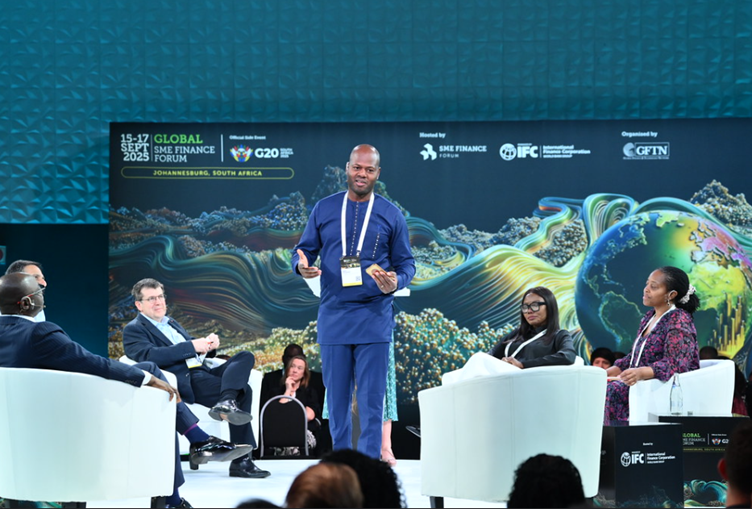
Figure 1: Source: GFTN Marketing: The Great Debate
New Trends: AI as a Strategic Partner
The Global Finance & Technology Network (GFTN) and SME Finance Forum unveiled ALFIE (Adaptive Layered Finance Intelligence Engine) – a groundbreaking AI-powered research and report generation platform built exclusively for financial institutions. Built on trusted data from IFC, SME Finance Forum, World Bank, and proprietary sources, ALFIE consolidates information and generates tailored insights at the click of a button.
What we learned in the session:
- ALFIE helps financial institutions streamline research and market intelligence.
- Specialised AI agents provide personalised advisory and insights across global markets.

Figure 2: Source GFTN Marketing: Meet ALFIE – Reinventing SME Finance Knowledge Powered by AI
Used wisely, ALFIE could become a strategic intelligence partner – helping financial service providers make faster, smarter, and more impactful decisions for SME finance.
Women Entrepreneurs Innovation Hub
On day three, I joined the Women Entrepreneurs Innovation Hub session solution clinic, focusing on the key challenges in financing women entrepreneurs. I later engaged in a similar “great debate” around data sources, privacy and whether products should be gender neutral.
Concluding Thoughts from The Balcony
What struck me is that we are at a pivotal moment: there’s enough consensus around the problems, many promising tools and models (data, artificial intelligence [AI], gender lens investing, blended finance), and growing political will. What remains is bridging the gap between pilot/promise and system-scale change — aligning institutions, regulators, funders and SMEs (particularly women, informal economy) so that what works is scaled, risk is shared, and outcomes are measurable.
Written by Tariro Nyimo (Head Stakeholder Engagement and Fundraising at Digital Frontiers)
(Article originally shared on LinkedIn/Pulse by Tariro Nyimo on 30 September 2025)